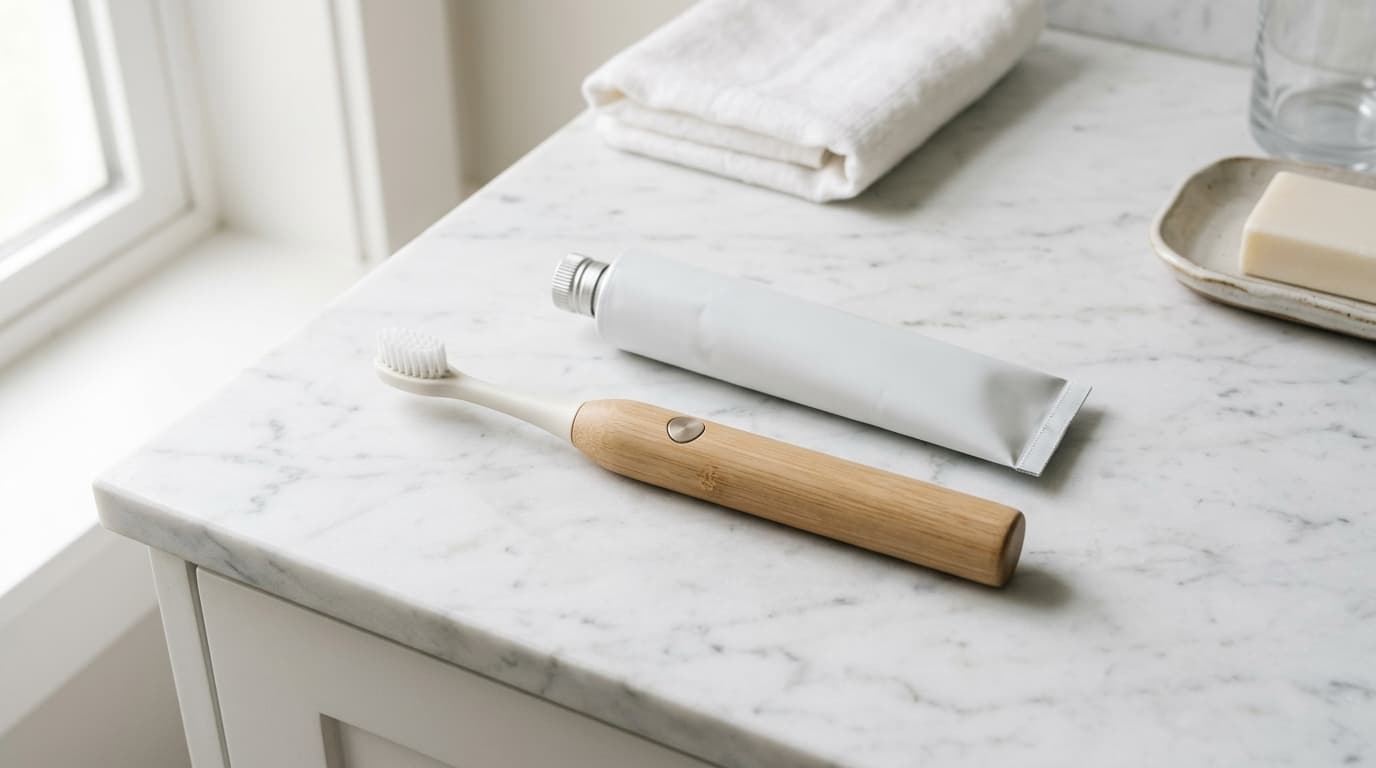
Essential Oral Health Tips to Prevent Cavities and Gum Disease
Most dental problems do not develop overnight. Cavities, gum disease, and enamel erosion build up gradually over weeks and months due to small, repetitive daily habits.
The encouraging reality of dental medicine is that the vast majority of oral diseases are entirely preventable. By following an evidence-based daily routine and understanding how diet affects teeth, you can protect your natural smile and minimize the need for complex restorative treatments.
The Foundation: An Evidence-Based Daily Routine
1. Brush Twice Daily for Two Full Minutes
Brushing removes bacterial plaque before it can produce enamel-damaging acids.
- Technique (Modified Bass Technique): Hold your toothbrush at a 45-degree angle toward the gumline. Use gentle, circular vibrating motions rather than aggressive back-and-forth scrubbing.
- Fluoride Toothpaste: Use a pea-sized amount of fluoride toothpaste, which remineralizes weak enamel and inhibits bacterial acid production.
- The Nighttime Brush Is Critical: Saliva flow decreases significantly during sleep. Brushing before bed ensures that food sugars are not left to feed bacteria overnight.
2. Clean Between Your Teeth Daily (Flossing)
A toothbrush only cleans about 60% of tooth surfaces; the remaining 40% lies between adjacent teeth where bristles cannot reach.
- Use dental floss, interdental brushes, or a water flosser once daily to dislodge trapped plaque and food debris.
- Daily interdental cleaning is the single most effective way to prevent interproximal cavities and bleeding gums.
3. Clean Your Tongue
The rough surface of the tongue harbors significant bacterial biofilm that contributes to bad breath and oral acidity. Gently clean your tongue from back to front daily using a tongue scraper or soft bristles. Read our guide on bad breath causes and treatments.
4. Replace Your Toothbrush Every 3 Months
Worn, frayed bristles lose their cleaning efficiency and can irritate gum tissue. Replace your manual brush or electric brush head every 3 months, or sooner if the bristles flare outward.
Diet and Oral Health: It Is About Frequency, Not Just Sugar
Many people believe that avoiding sweets is enough to protect teeth. However, dental decay is heavily influenced by how often your teeth are exposed to carbohydrates and acids throughout the day.
- Snacking Frequency Matters: Every time you eat carbohydrates, oral bacteria produce acids that demineralize enamel for 20 to 30 minutes. Grazing on snacks throughout the day keeps mouth pH constantly acidic.
- Watch Acidic Beverages: Soft drinks, packaged fruit juices, sports drinks, and frequent lemon water can erode protective enamel over time, causing tooth sensitivity.
- Rinse with Plain Water: After drinking coffee, tea, or meals, rinse your mouth with plain water to help neutralize acids and wash away food particles.
- Tooth-Friendly Foods: Dairy products (milk, paneer, curd) provide calcium and phosphates to strengthen enamel, while crisp vegetables (carrots, cucumbers) stimulate saliva production.
Why 6-Month Dental Checkups Are Essential
Even with diligent home brushing, microscopic plaque minerals harden into calculus (tartar) over time. Tartar cannot be removed by brushing at home; only professional instruments can detach it safely.
Regular 6-month checkups allow your dentist to:
- Detect early demineralization before it turns into a painful cavity
- Remove calculus through professional teeth cleaning
- Learn about teeth cleaning costs and what is included
- Screen for early gum disease, bite wear, and oral lesions
If you have sensitive teeth, explore our guide on sensitive teeth treatment options. For parents caring for young children, review our kids first dental visit checklist.
Discuss Your Dental Health with Dr. Arshiya Zakreen
Have questions about this condition or need an accurate clinical evaluation? Visit our clinic in Nagavara, Bengaluru (5 mins from Manyata Tech Park).