Tooth Pain at Night: Causes, Safe Relief Steps, and When to Seek Care
Few experiences are as disruptive as a sharp, throbbing toothache that intensifies the moment you get into bed. Daytime tooth discomfort can often be ignored during busy routines, but nighttime pain has a way of becoming overwhelming, preventing restful sleep.
Understanding why tooth pain feels worse at night and knowing what safe measures to take can help you manage the discomfort until you can visit a dental clinic.
Why Does Tooth Pain Worsen at Night?
The increase in tooth pain when you go to sleep is not just in your imagination. Several biological and environmental factors contribute to nighttime throbbing:
1. Increased Cranial Blood Flow When Lying Flat
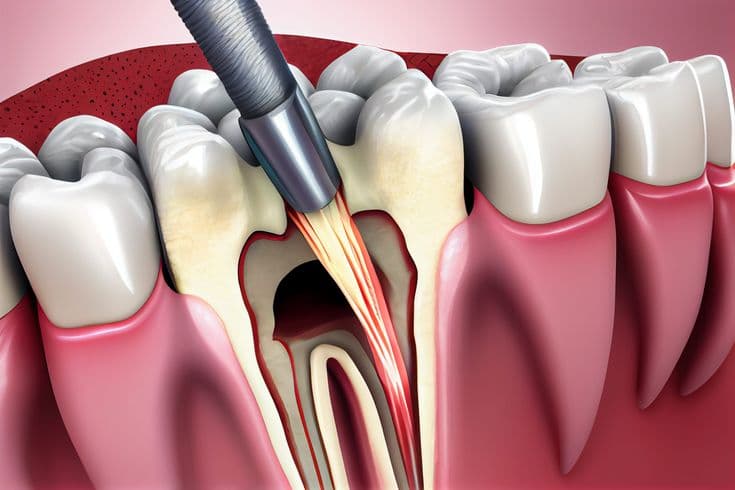
When you transition from an upright position to lying flat, blood pressure within the head and neck increases. If a tooth has an inflamed or infected nerve, this increased vascular pressure exerts greater force against the rigid, unyielding walls of the tooth chamber, resulting in pronounced throbbing.
2. Reduced Sensory Distraction
During the day, conversations, work tasks, and sensory stimuli help distract your brain from low-level pain signals. In the quiet of the night, your brain focuses directly on the discomfort, making it feel significantly more intense.
3. Nocturnal Teeth Grinding (Clenching)
Many people unconsciously clench their jaws or grind their teeth during sleep. If a tooth already has a deep cavity, crack, or inflamed ligament, this heavy mechanical force sharply aggravates the nerve.
4. Late-Night Sugar and Acidic Residue
Snacking on sweets or acidic beverages late in the evening leaves residues that feed oral bacteria, leading to rapid acid production that irritates exposed dentin or open cavities.
Common Underlying Causes
Nighttime tooth pain typically signals a deeper dental condition that requires professional assessment:
- Irreversible Pulpitis: Deep bacterial decay reaching the inner pulp, causing continuous, spontaneous throbbing.
- Dental Abscess: A localized pocket of infection at the root tip causing intense pressure and gum swelling. Learn more about dental abscess emergency signs.
- Cracked Tooth Syndrome: A microscopic hairline fracture that flexes when you bite or clench, irritating the nerve.
- Exposed Root Dentin: Severe gum recession exposing sensitive nerve tubules to cold bedroom air. Explore tooth sensitivity treatments.
- Sinus Congestion: Maxillary sinus inflammation pressing against upper molar root tips.
Safe Temporary Home Measures
While waiting for your dental appointment, follow these safe temporary steps:
- Keep Your Head Elevated: Prop yourself up with two or three pillows to reduce blood flow pressure to your head.
- Rinse with Warm Salt Water: Gently swish warm salt water (half a teaspoon in a cup) to clear food debris and soothe inflamed tissues.
- Use Standard Over-the-Counter Analgesics: Take pain medication as directed on the packaging. Caution: Never place aspirin tablets or pain balms directly on the gum tissue, as this causes painful chemical tissue burns.
- Apply an External Cold Pack: Place a cloth-wrapped ice pack against your cheek for 15 minutes to numb the area and reduce local inflammation.
- Avoid Extreme Temperatures: Avoid iced water, hot teas, or sugary snacks before bed.
Does Pain Disappearing Mean the Problem Is Gone?
If severe nighttime tooth pain suddenly stops after several days, it often means the dental nerve has become necrotic (died) rather than healed. The underlying bacterial infection remains active in the bone and will continue to spread unless treated with root canal therapy or restoration.
If your toothache is accompanied by facial swelling, fever, or difficulty opening your mouth, seek emergency dental care in Nagavara immediately. To learn how root canal treatment preserves natural teeth, read our root canal procedure guide.
Discuss Your Dental Health with Dr. Arshiya Zakreen
Have questions about this condition or need an accurate clinical evaluation? Visit our clinic in Nagavara, Bengaluru (5 mins from Manyata Tech Park).