Root Canal Treatment in Nagavara: Clinical Process, Comfort, and Recovery
The phrase "root canal" historically carried an intimidating reputation. However, modern clinical endodontics has transformed the procedure. Today, root canal treatment is not a source of pain, but the primary method dentists use to relieve acute dental pain and eliminate deep bacterial infection.
At Dental Sphere in Nagavara, we perform root canal therapy using precision rotary instruments, digital apex locators, and modern local anesthesia. In this guide, we walk you through what the treatment involves from diagnosis to full recovery.
What Is a Root Canal Treatment?
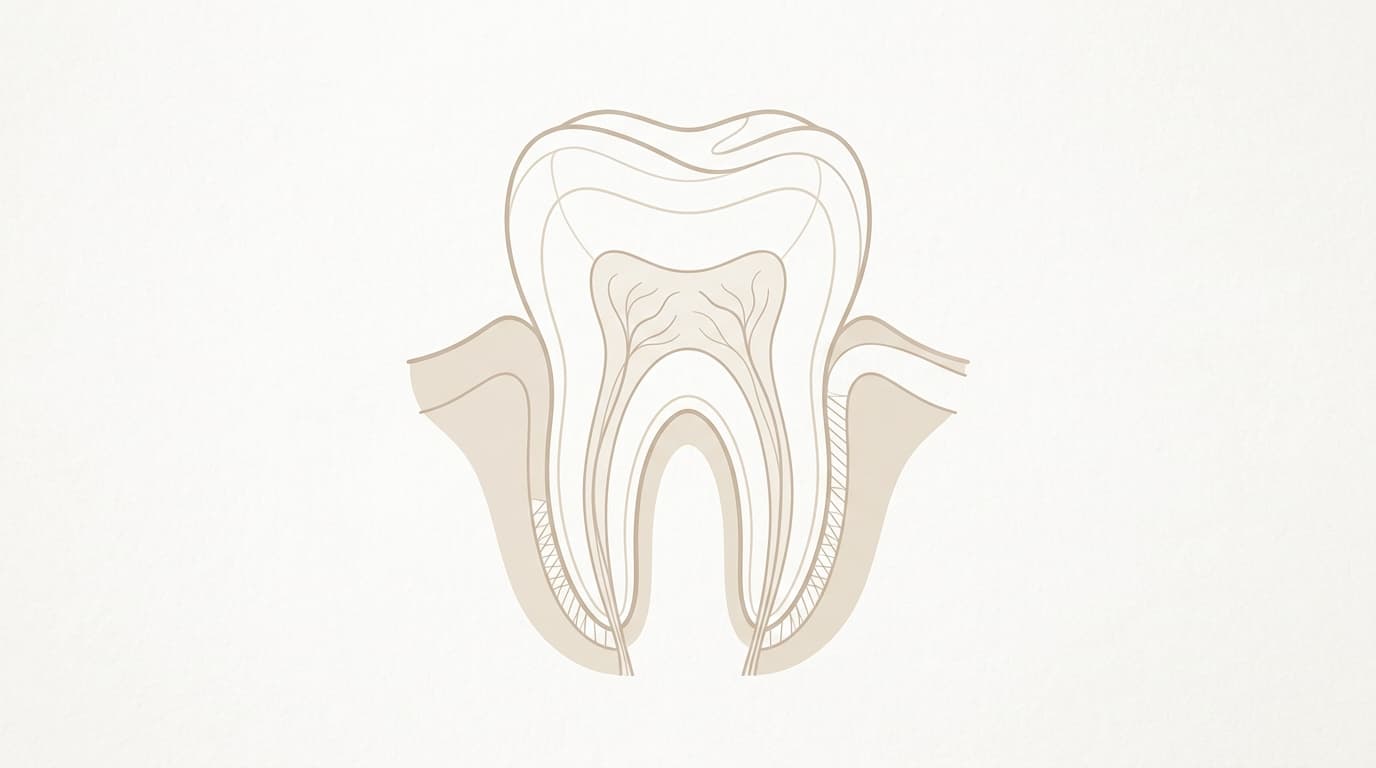
Inside every natural tooth lies the dental pulp, a specialized tissue containing nerves, blood vessels, and connective tissue. When deep tooth decay, repeated restorations, or dental trauma allows bacteria to reach the pulp chamber, the tissue becomes inflamed (pulpitis) and may eventually become necrotic.
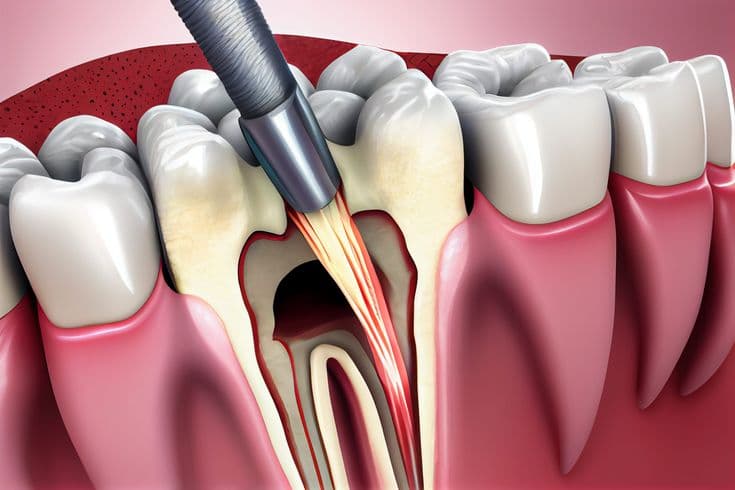
Root canal treatment (endodontic therapy) is the process of removing this infected pulpal tissue, thoroughly disinfecting the internal canal anatomy, and sealing the space to prevent future bacterial colonization.
When Is a Root Canal Indicated?
A clinical examination and digital X-ray will confirm whether a root canal is needed. Common indications include:
- Spontaneous, Lingering Pain: Severe throbbing toothache that persists after hot or cold drinks, or wakes you up at night. Learn about why tooth pain feels worse at night.
- Pain on Biting or Chewing: Discomfort when putting pressure on a specific tooth, indicating inflammation in the ligament around the root tip.
- Periapical Abscess: A localized swelling or pimple-like bump on the gum discharging fluid.
- Deep Dental Caries: Decay that has extended through enamel and dentin into the pulp chamber.
- Tooth Discoloration: Darkening of a single tooth following a traumatic blow.
Step-by-Step Treatment Process
Root canal therapy is typically completed in 1 to 2 appointments depending on the complexity of the canal anatomy and the severity of the infection.
1. Diagnostic Imaging
We capture high-resolution digital radiographs (RVG) to evaluate the shape, length, and number of root canals, as well as the extent of any bone loss at the root tip.
2. Local Anesthesia
Profound local anesthesia is administered around the tooth. The procedure does not begin until the area is completely numb. You may feel gentle pressure during the appointment, but sharp pain is eliminated.
3. Rubber Dam Isolation
A sterile rubber sheet (dam) is placed over the tooth. This keeps the tooth completely dry, protects it from oral bacteria in saliva, and ensures patient safety throughout the procedure.
4. Access and Rotary Cleaning
A small opening is created in the chewing surface of the tooth to access the pulp chamber. Using flexible nickel-titanium (NiTi) rotary files, the dentist cleans and shapes the canals while irrigating with specialized antibacterial solutions.
5. Electronic Apex Location
An electronic apex locator accurately measures the exact length of each root canal to ensure thorough cleaning without irritating the surrounding bone.
6. Hermetic Sealing (Obturation)
The cleaned canals are filled with a biocompatible material called gutta-percha combined with an antibacterial sealer, hermetically closing the canals against reinfection.
7. Structural Restoration (Crown Placement)
After a root canal, the tooth loses internal moisture and becomes more brittle under chewing forces. A custom-fitted dental crown is recommended to protect the tooth from fractures and restore normal chewing function.
What to Expect During Recovery
Mild tenderness or sensitivity when biting is normal for the first 2 to 3 days following treatment as the surrounding tissues heal. This is easily managed with mild pain relievers.
To explore how saving a natural tooth compares with extraction and replacement, read our balanced guide on root canal versus extraction. If you are experiencing sudden swelling or severe pain, visit our emergency dental care in Nagavara page.
Discuss Your Dental Health with Dr. Arshiya Zakreen
Have questions about this condition or need an accurate clinical evaluation? Visit our clinic in Nagavara, Bengaluru (5 mins from Manyata Tech Park).