Root Canal vs Extraction: Which Is Better for Your Tooth?
When a tooth is severely decayed, cracked, or infected, patients are frequently faced with a pivotal decision:
"Should I save the tooth with a root canal, or is it better to simply extract it?"
While extracting a painful tooth may seem like a quick and inexpensive solution at first glance, the biological and long-term financial reality is more nuanced. The right choice depends on the structural restorability of the tooth, bone support, and long-term replacement plans.
This guide provides a balanced, evidence-based comparison to help you make an informed decision alongside your dentist.
Option A: Saving the Tooth with Root Canal Treatment
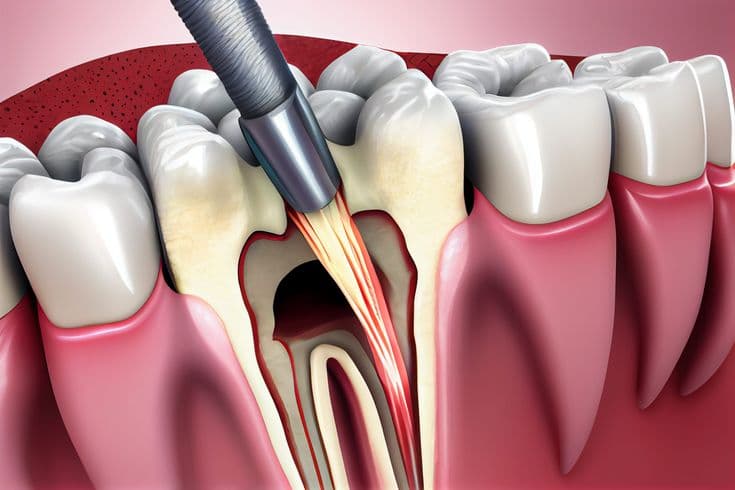
Root canal therapy involves removing the infected pulp, disinfecting the internal canals, and sealing the space before placing a protective crown.
Clinical Advantages:
- Preserves Natural Anatomy: Retaining your natural tooth root preserves the periodontal ligament, which provides natural tactile feedback while chewing.
- Prevents Teeth Shifting: Keeping the natural tooth prevents neighboring teeth from tilting or drifting into empty spaces.
- Maintains Jawbone Structure: The natural root continues to stimulate surrounding jawbone, preventing localized bone loss.
- Functional Chewing Power: A root-canal-treated tooth restored with a crown functions exactly like a healthy natural tooth.
When Root Canal Is the Recommended Choice:
- Sufficient sound tooth structure remains above the gumline to support a crown (adequate ferrule).
- The tooth's periodontal bone support is healthy and stable.
- The root anatomy is accessible and restorable. Read our detailed root canal procedure guide.
Option B: Tooth Extraction
Tooth extraction involves the complete surgical or simple removal of the tooth from its socket.
When Extraction Is the Only Clinical Option:
- Severe Structural Fracture: The tooth is cracked vertically down the root below the bone level.
- Massive Decay: Tooth structure is destroyed so deeply below the gumline that a crown cannot be securely attached.
- Advanced Periodontal Bone Loss: The tooth has severe mobility due to extensive bone loss from periodontitis.
Comparing Long-Term Costs: The Replacement Factor
At the time of the initial procedure, a simple extraction is less expensive than a root canal and crown. However, leaving an extracted space empty leads to significant long-term complications:
- Adjacent Teeth Drift: Neighboring teeth tilt into the gap, throwing off your bite alignment.
- Opposing Tooth Over-Erupts: The tooth above or below the gap grows outward, causing food impaction and bite interference.
- Jawbone Shrinkage: Without root stimulation, the jawbone in the extraction gap resorbs over time.
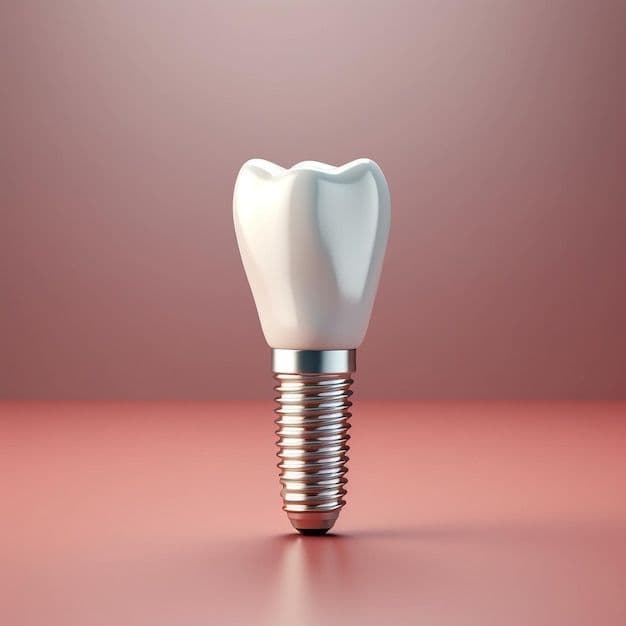
To prevent these issues, an extracted tooth should be replaced with a dental implant or a fixed dental bridge. When you factor in the cost of extraction plus a quality implant and crown, saving the natural tooth early with a root canal is almost always the more economical long-term option.
Side-by-Side Comparison
| Feature | Root Canal Treatment + Crown | Extraction + Dental Implant | Extraction Without Replacement | |---|---|---|---| | Natural Tooth | Preserved | Replaced with titanium root | Lost permanently | | Treatment Timeline | 1 to 2 visits | 3 to 6 months total | 1 visit | | Chewing Efficiency | 100% natural sensation | High (closest to natural) | Reduced chewing area | | Neighboring Teeth | Fully stable | Fully stable | Shift and tilt over time | | Long-Term Economics | Highly cost-effective | Higher initial investment | Leads to bite issues |
To understand implant costs in detail, read our dental implant treatment cost breakdown. For severe toothaches, explore our tooth pain at night guide.
Discuss Your Dental Health with Dr. Arshiya Zakreen
Have questions about this condition or need an accurate clinical evaluation? Visit our clinic in Nagavara, Bengaluru (5 mins from Manyata Tech Park).