What to Eat After a Tooth Extraction: Soft Indian Food Ideas
Undergoing a tooth extraction—whether an atraumatic routine removal or a complex third molar extraction—can leave you feeling hungry yet anxious about what you can safely consume. After oral surgery, proper nutrition is essential to support tissue regeneration, reduce postoperative swelling, and maintain your energy levels.
However, the primary goal of your post-extraction diet is protecting the delicate blood clot that forms naturally inside the empty socket. This clot covers the exposed jawbone and sensitive nerve endings, acting as a biological shield for natural healing. If this clot is dislodged or dissolved prematurely, a severely painful condition known as alveolar osteitis (dry socket) can develop.
For Indian households, western advice like "eat lukewarm applesauce and mashed potatoes" often feels unfamiliar. Here is a culturally resonant, practical guide to wholesome, comforting soft Indian foods that keep you nourished while protecting your extraction site.
The 4 Golden Rules of Eating After an Extraction
Before choosing what to eat, keep these four essential mechanical rules in mind:
- Strictly Avoid Drinking Through a Straw: Sucking through a straw creates strong negative air pressure inside your mouth. This suction is the number one cause of dislodging the healing blood clot during the first 5 to 7 days. Always sip directly from an open tumbler or glass.
- Chew Exclusively on the Unoperated Side: Direct food away from the surgical quadrant. Keeping food particles away from the socket prevents wound trauma and secondary bacterial infection.
- Avoid Hot Foods for the First 24 Hours: High temperatures cause localized vasodilation (widening of blood vessels), increasing postoperative bleeding and swelling. All meals during the first day should be lukewarm, room temperature, or chilled.
- Do Not Vigorously Swish or Spit: After eating, gently tilt your head side-to-side with warm salt water and let it passively fall into the sink. Forceful spitting dislodges clots.
Best Soft Indian Foods: Day 1 & Day 2 (Liquid & Ultra-Soft)
During the initial 48 hours, your mouth will feel numb from local anesthesia and chewing capacity will be limited. Focus on nutrient-rich foods requiring zero biting force:
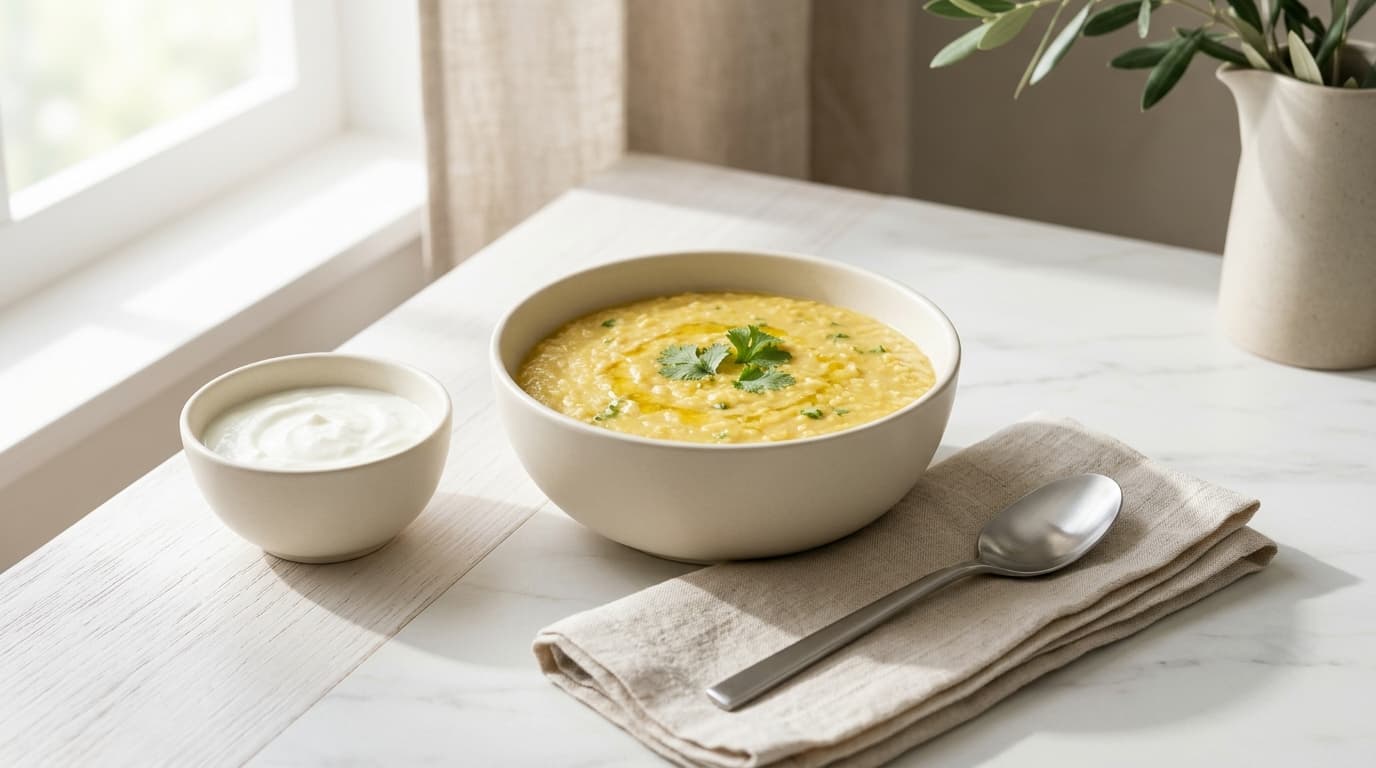
1. Well-Mashed Moong Dal Khichdi
A comforting staple across India, khichdi made with yellow moong dal and soft rice provides an excellent blend of complex carbohydrates and easily digestible protein.
- Crucial Preparation Note: Cook the khichdi with extra water until completely soft and creamy. Strictly omit whole cumin seeds, mustard seeds, and curry leaves (tadka). These small, hard seeds can easily fall into the open socket and cause painful irritation or infection.
2. Cool Plain Curd (Yogurt)
Fresh, chilled curd is soothing against tender gums. The cool temperature provides a mild numbing sensation that relieves localized swelling, while natural probiotics support gut health—especially important if your surgeon has prescribed a short course of postoperative antibiotics. Avoid curds that are overly sour or mixed with raw chilies.
3. Smooth, Strained Vegetable Soups
Pureed vegetable soups made from bottle gourd (lauki), pumpkin, or carrots deliver vital vitamins (A and C) to promote collagen formation and wound healing. Strain the soup through a mesh sieve before serving to ensure no hard vegetable chunks or fibrous skin remain. Allow it to cool to room temperature before sipping.
4. Tender Coconut Water
Natural tender coconut water provides essential hydration and balanced electrolytes (potassium, sodium) without added refined sugars. Sip slowly directly from a cup without a straw.
Foods to Gradually Reintroduce: Days 3 to 7 (Soft Solids)
As local soreness diminishes and tissue granulation begins, you can gradually advance to soft solids that require minimal chewing:
1. Soft Idlis Soaked in Warm Milk or Mild Sambar
Steamed idlis made from fermented rice and urad dal are naturally soft, airy, and gentle on recovering gums. Soak the idlis in warm milk or a mild, non-spicy sambar until they break apart effortlessly on your tongue.
2. Mild Paneer Bhurji
Freshly grated cottage cheese (paneer) is rich in high-quality protein and calcium, both vital for bone remodeling around the extraction site. Sauté the paneer lightly with a pinch of turmeric and salt, keeping it soft and avoiding raw chopped onions or chili seeds.
3. Soft Curd Rice
Cook white rice until exceptionally soft, mash it thoroughly with a potato masher, and fold in fresh curd with a pinch of salt. It is cooling, filling, and very easy on digestion.
4. Steamed Apple Puree or Ripe Bananas
Mashed ripe bananas provide instant potassium and natural sweetness. You can also peel, steam, and puree apples for dietary fiber without risking hard crunches.
Dangerous Foods to Strictly Avoid for at Least 7 Days
- Spicy Masalas and Red Chili Powder: Spices cause severe chemical irritation and stinging when they contact raw, healing surgical tissues.
- Crunchy and Brittle Snacks: Chips, murukku, mixture, papad, toasted bread, and dry biscuits crumble into razor-sharp shards that can penetrate and tear the healing gum tissue.
- Small Grains and Seeds: Sesame seeds, mustard seeds, flaxseeds, and strawberry seeds frequently lodge in healing sockets, creating pockets of localized infection.
- Extremely Hot Beverages: Steaming chai or filter coffee increases localized blood flow and risks restarting post-surgical bleeding.
- Alcohol and Carbonated Sodas: Carbonation causes stinging and bubbles that disturb clot adhesion, while alcohol interferes with prescribed pain medications and slows wound healing.
Important Note for Diabetic Patients
If you have type 1 or type 2 diabetes, a diet consisting predominantly of khichdi and soft rice can cause undesirable spikes in blood sugar levels. Elevated blood glucose impairs immune neutrophil function and significantly delays wound healing after extractions.
Work with your physician or dietitian to incorporate soft, diabetes-safe protein sources—such as paneer bhurji, strained dal soup, soft boiled eggs, and unsweetened Greek yogurt—while monitoring your blood sugar closely during the recovery window.
When to Contact Your Dentist
While mild soreness, jaw stiffness, and slight swelling are expected for 48 to 72 hours, contact your treating dental clinic promptly if you experience:
- Severe, radiating pain starting on day 3 or 4 that over-the-counter medication cannot control (a classic sign of dry socket).
- Persistent, heavy bleeding that does not slow down with gentle gauze pressure.
- A persistent foul odor, bad taste, or visible yellow/white pus around the extraction site.
- High fever or difficulty opening your mouth (trismus).
For a complete guide to post-operative recovery timelines, explore our detailed wisdom tooth recovery guide or read about our conservative tooth extraction services in Nagavara.
Discuss Your Dental Health with Dr. Arshiya Zakreen
Have questions about this condition or need an accurate clinical evaluation? Visit our clinic in Nagavara, Bengaluru (5 mins from Manyata Tech Park).