Understanding Dental Implant Cost in Bangalore: What Factors Affect the Price
When replacing a missing tooth, dental implants are widely regarded as the clinical standard because they replicate both the natural tooth root and the visible crown. However, patients researching implant treatment in Bangalore frequently encounter wide variations in quoted fees.
Understanding what factors contribute to these cost differences helps you evaluate quotes accurately and choose a treatment plan based on clinical quality, longevity, and safety.
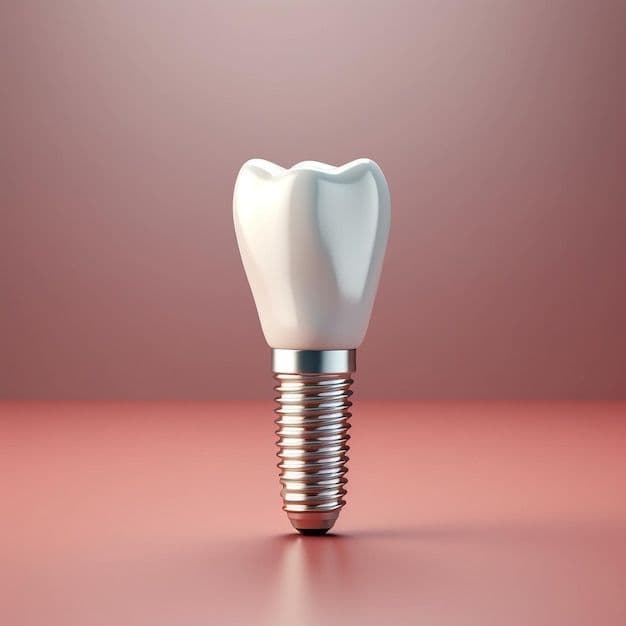
What Are the Key Components of a Dental Implant?
A complete dental implant restoration consists of three distinct parts:
- The Implant Fixture: A biocompatible titanium or ceramic post surgically anchored into the jawbone to replace the natural root.
- The Abutment: A precision connector that screws into the implant fixture and supports the crown.
- The Final Crown: The visible prosthetic tooth custom-shaded to match your natural smile.
What Variables Influence the Total Cost?
Several clinical and technical factors determine the total investment required for dental implant treatment:
1. Implant System and Manufacturer
Implant fixtures are manufactured by global companies with varying levels of clinical research and documentation.
- Premium European & Swiss Systems: Brands with decades of documented clinical trials and international component availability generally carry a higher price point.
- Value-Oriented Systems: Well-engineered systems from South Korea, Israel, and other regions offer reliable clinical outcomes at moderate costs.
2. Implant Material (Titanium vs Zirconia)
- Medical-Grade Titanium: The gold standard for over four decades, offering exceptional biocompatibility and bone-fusion (osseointegration) properties.
- Zirconia (Ceramic) Implants: A metal-free alternative preferred by some patients with specific aesthetic preferences or metal sensitivities. Zirconia implants typically involve higher manufacturing costs.
3. Diagnostic Imaging and Guided Surgery
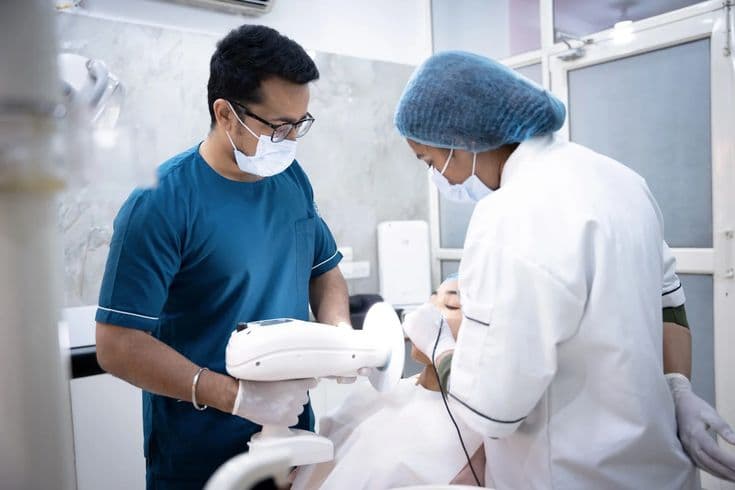
Safe implant placement requires accurate 3D assessment of bone density, nerve pathways, and sinus locations. Clinics utilizing 3D CBCT scans and computer-guided surgical stents provide greater placement precision, which is reflected in comprehensive treatment planning.
4. Preparatory Bone Grafting or Sinus Lifts
When a tooth has been missing for an extended period, the underlying jawbone gradually resorbs. If the remaining bone volume is insufficient to support an implant securely, a minor bone graft or sinus lift procedure may be needed before or during implant placement.
5. Final Crown Material
The type of restoration selected for the visible tooth influences both aesthetics and cost:
- Metal-Ceramic (PFM): Traditional and cost-effective, commonly used for back molars.
- Monolithic Zirconia: Extremely durable and tooth-colored, ideal for high-chewing posterior zones.
- E-max (Lithium Disilicate): Highly aesthetic with natural translucency, frequently selected for front teeth.
Questions to Ask Before Starting Implant Treatment
To ensure complete transparency, ask your dental surgeon:
- Does the quoted estimate include the CBCT scan, surgical placement, abutment, and final crown?
- Which implant system is being recommended, and what clinical evidence supports its use?
- Will any preparatory procedures, such as bone grafting or extractions, be necessary?
- What is the expected timeline from surgical placement to the final crown delivery?
To see a detailed step-by-step breakdown of each treatment stage, read our guide on dental implant cost from consultation to final restoration. If you are currently debating between saving an infected tooth or replacing it, explore our clinical comparison of root canal versus tooth extraction.
Discuss Your Dental Health with Dr. Arshiya Zakreen
Have questions about this condition or need an accurate clinical evaluation? Visit our clinic in Nagavara, Bengaluru (5 mins from Manyata Tech Park).