Laser Dentistry vs Traditional Methods: An Evidence-Based Comparison
For many patients, the sound and vibration of conventional dental instruments create significant apprehension. In recent years, dental lasers have become an increasingly valuable tool in modern clinical practice, offering a gentle alternative for specific dental procedures.
However, laser dentistry is not a universal replacement for all traditional instruments. Understanding how dental lasers work, where they offer clear clinical advantages, and where conventional tools remain necessary helps you make informed decisions about your care.
How Do Dental Lasers Work?
Dental lasers deliver focused light energy in specific wavelengths. When this light interacts with biological tissue, it can gently vaporize soft tissue, remove bacterial colonies, or stimulate cellular healing, depending on the energy setting.
Because the laser beam seals tiny blood vessels and nerve endings as it works, it minimizes bleeding and reduces post-procedure swelling in soft tissue treatments.
Comparing Lasers and Traditional Methods
| Feature | Dental Laser Application | Traditional Dental Instruments | |---|---|---| | Soft Tissue Procedures | High precision, minimal bleeding, often requires no sutures | Scalpels require incisions and sutures for wound closure | | Bacterial Disinfection | Penetrates deep into periodontal pockets to reduce bacteria | Relies on mechanical scraping and chemical rinses | | Post-Procedure Comfort | Less swelling and faster soft tissue recovery | Normal inflammatory healing period of several days | | Tooth Shaping for Crowns | Not indicated for heavy enamel reduction | Rotary diamond burs remain essential for crown preparations | | Anesthesia Requirements | May require lower doses or topical numbing for minor soft tissue work | Local anesthesia remains standard for deep cavity preparations |
Where Dental Lasers Excel
Dental lasers offer significant clinical benefits in specific treatment areas:
1. Gum Disease and Periodontal Pocket Care
In periodontal therapy, soft tissue lasers effectively decontaminate inflamed gum pockets, eliminating bacteria that mechanical scaling alone may not fully reach. Learn more about periodontal care and bleeding gums.
2. Aesthetic Gum Reshaping (Gingivectomy)
For patients with an uneven gumline or excessive gum display, dental lasers allow the surgeon to sculpt the gum margin with microscopic precision and immediate coagulation. Read about gummy smile correction.
3. Aphthous Ulcer and Cold Sore Relief
Low-level laser therapy (LLLT) applied to painful mouth ulcers provides rapid pain reduction and accelerates the natural epithelial healing process without cutting tissue. Explore mouth ulcer treatments in Nagavara.
4. Frenectomy and Soft Tissue Releases
Tight tissue attachments (frenums) that restrict tongue movement or cause gum pulling can be gently released with a dental laser with minimal bleeding and rapid healing.
Clinical Realities and Limitations
While lasers provide excellent outcomes for soft tissue therapies and pocket disinfection, they have clear boundaries:
- Rotary dental handpieces remain essential for removing old silver fillings, preparing teeth for dental crowns, and smoothing complex tooth surfaces.
- Anesthesia is still used whenever a procedure involves sensitive dental nerves, ensuring patient comfort throughout treatment.
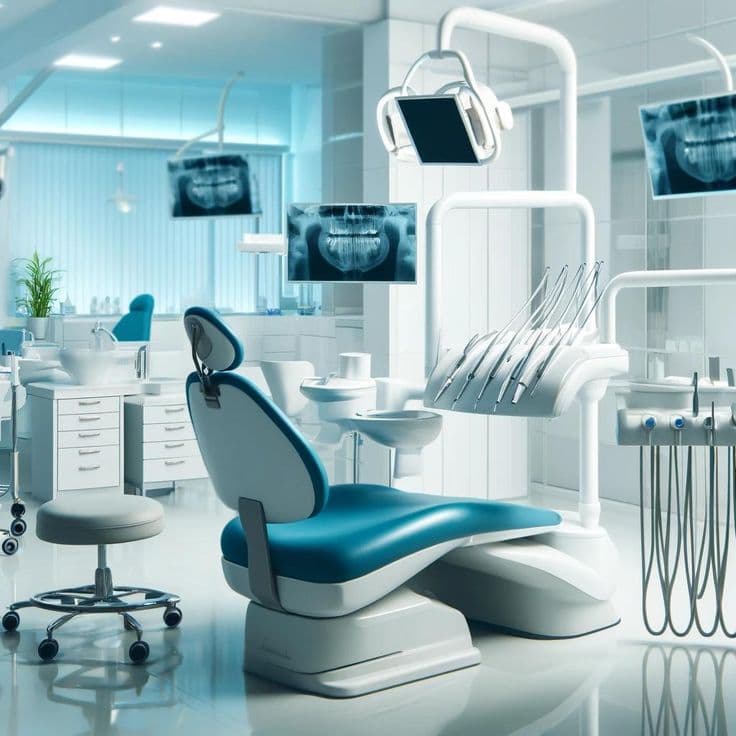
At Dental Sphere in Nagavara, we utilize laser dentistry alongside modern rotary endodontics and ultrasonic scalers to select the most effective, gentle tool for each patient's specific clinical need.
Discuss Your Dental Health with Dr. Arshiya Zakreen
Have questions about this condition or need an accurate clinical evaluation? Visit our clinic in Nagavara, Bengaluru (5 mins from Manyata Tech Park).