Sharp Tooth Pain When Biting Down: Causes and Clinical Solutions
Few dental symptoms are as startling as a sharp, electric jolt through your tooth the moment you bite into food. Unlike a dull, lingering toothache that throbs constantly in the background, biting pain is typically mechanical and unpredictable. One moment you are eating comfortably, and the next, a sudden piercing shock forces you to stop mid-chew.
Because this pain often disappears as soon as you release bite pressure, many patients assume it is a temporary quirk. However, mechanical tooth pain is a direct warning sign that the tooth's structural integrity or inner nerve is compromised. Understanding what causes this sensation helps you take the right steps before minor damage progresses to a severe fracture or acute infection.
The Biology of Biting Pain: Ligament vs. Nerve
To understand why a tooth hurts only under pressure, it helps to examine two distinct anatomical structures:
- The Periodontal Ligament (PDL): This is a specialized sling of microscopic collagen fibers anchoring your tooth root to the jawbone. It acts as a hydraulic shock absorber and sensory receptor. When an infection reaches the root tip, or when biting forces are uneven, the inflamed ligament transmits sharp mechanical pain every time opposing teeth meet.
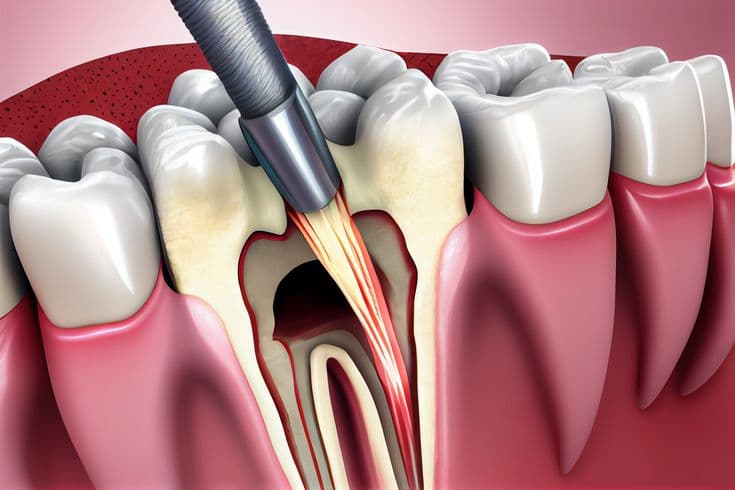
- The Dental Pulp: Deep within the center of the tooth lies the vascular pulp containing nerves and blood vessels. When microscopic cracks or deep cavities allow biting pressure to flex the tooth, fluid shifts inside the dentinal tubules, sending sudden, sharp signals directly to the pulp.
Differentiating between these mechanisms is essential for effective treatment.
Common Clinical Causes of Pain on Chewing
1. Cracked Tooth Syndrome
A micro-fracture in the tooth enamel and dentin is one of the most frequent culprits behind sudden biting pain. Because these hairline fractures are often too small to appear on standard 2D digital X-rays, they are notoriously difficult to self-diagnose.
The hallmark symptom of a cracked tooth is pain upon release of bite pressure. When you bite down, the crack flexes open slightly, irritating the pulp; when you release, the crack snaps shut, causing a sharp zinging sensation. If left untreated, chewing forces cause micro-cracks to deepen until the tooth splits completely. Learn more about restoring damaged teeth with composite fillings and bonding.
2. Deep Decay and Reversible vs. Irreversible Pulpitis
When bacterial cavities penetrate through outer enamel into porous dentin, chewing forces press food debris against compromised, softened tooth structure.
- In reversible pulpitis, the nerve is irritated but capable of recovering once decay is removed and a sterile composite restoration is placed.
- In irreversible pulpitis, bacteria have invaded the pulp chamber, causing internal inflammation. As blood vessels swell within the rigid confines of the tooth, chewing pressure spikes internal tissue pressure, resulting in severe discomfort that often lingers after eating. In these cases, conservative single-sitting root canal treatment is required to eliminate bacteria while preserving your natural tooth root.
3. A "High" Restoration (Uneven Occlusal Contact)
If you recently received a dental filling, crown, or onlay, the restoration may be elevated by just a fraction of a millimeter (50 to 100 microns). Even this tiny discrepancy causes that tooth to strike prematurely every time your jaw closes. Over several days, the underlying periodontal ligament becomes bruised and hyper-sensitized. Fortunately, a quick chairside occlusal adjustment by your dentist can smooth down the high spot and resolve the pain completely.
4. Periapical Abscess or Root Tip Inflammation
When a longstanding infection spreads past the root canal into the surrounding jawbone, pus and inflammatory fluid pool around the root apex. Biting down forces the root deeper into this inflamed periapical space, generating acute pain. Learn how we handle sudden dental emergencies on our emergency dental care guide for Nagavara.
What to Do (and What to Avoid) While Awaiting Care
If you are experiencing sharp biting pain, follow these safe protective measures until a dentist can examine the tooth:
- Chew Exclusively on the Unaffected Side: Protect the painful tooth from all mechanical load to avoid propagating an existing fracture.
- Avoid Hard, Crunchy, and Chewy Foods: Temporarily eliminate nuts, ice, crusty bread, and sticky candies.
- Do Not Apply Aspirin Directly to Your Gums: A common home remedy mistake is placing an aspirin tablet next to an aching tooth. This does not relieve tooth pain and causes severe chemical burns on the oral mucosa.
- Recognize the Limits of OTC Painkillers: While anti-inflammatory medications like ibuprofen can temporarily reduce ligament inflammation, they do not repair a cracked cusp or cure an internal bacterial infection.
How Dentists Diagnose Biting Pain Chairside
At Dental Sphere in Nagavara, Dr. Arshiya Zakreen utilizes systematic diagnostic protocols to isolate the exact tooth and cusp responsible:
- Selective Bite-Stick Testing: Using a specialized tool (such as a Tooth Slooth), the dentist applies pressure to individual cusps one by one to determine which part of the tooth flexes and elicits pain.
- Fiber-Optic Transillumination: High-intensity cold light is directed through the tooth crown. While healthy enamel transmits light evenly, a fracture line blocks the light, casting a distinct shadow.
- Digital Radiovisiography (RVG): High-magnification digital X-rays check for periapical bone changes, interproximal cavities, and restoration margins with minimal radiation.
- Cold Thermal Testing: A cold vitality spray verifies whether the inner pulp nerve is healthy, inflamed, or necrotic.
Clinical Treatment Pathways
Treatment depends entirely on the depth of the issue:
- Occlusal Adjustment: For high fillings, minor polishing equalizes your bite force across all teeth within minutes.
- Protective Full-Coverage Crown: If a crack is superficial and the nerve is healthy, a high-strength monolithic zirconia or ceramic crown splints the cusps together, preventing the crack from flexing during meals.
- Painless Rotary Endodontics: If the crack or decay has entered the pulp, single-sitting root canal therapy cleanses the canals, followed by a crown to restore full chewing strength.
Warning Signs That Require Immediate Care
Seek immediate dental evaluation if your biting pain is accompanied by:
- Visible swelling in your gums, cheek, or jawline.
- Continuous, throbbing pain that wakes you up at night.
- A pimple-like bump (fistula) on the gum releasing a salty discharge.
- Fever or general malaise.
If you work or live in North Bengaluru, our clinic is located on 4th Main Road in Nagavara, just 3 to 5 minutes from Manyata Tech Park. Contact Dental Sphere to arrange a thorough diagnostic evaluation before minor chewing discomfort leads to an avoidable tooth loss.
Discuss Your Dental Health with Dr. Arshiya Zakreen
Have questions about this condition or need an accurate clinical evaluation? Visit our clinic in Nagavara, Bengaluru (5 mins from Manyata Tech Park).